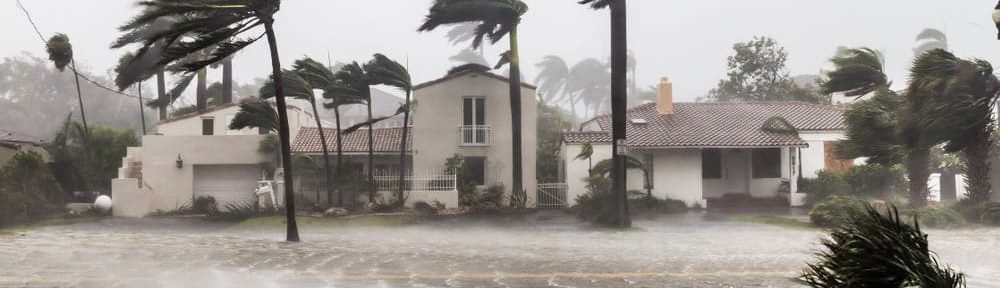
Razzaghi Asl, S., Tate, E., & Pearsall, H. (2026). SECURE-NBS: A conceptual framework for integrated nature-based flood risk reduction. Landscape and Urban Planning, 271, 105637. Link
Razzaghi Asl, S., Azadgar, A., Nyka, L. (2026). “Green Privilege? Exploring Spatial Relations between Nature-based Solutions and Social Vulnerability in Three European Cities.” Local Environment. Link
Razzaghi Asl, S., Tate, E. Emrich, C., Rahman, A. Royster, K. (2026). “Beyond Discrete Indicators: Modeling Intersectional Flood Vulnerability.” Applied Geography 187, 103894. Link
Razzaghi Asl, S., Drakes, O., Tate, E., Brody, S., Highfield, W. & Atoba, K. (2026). “The Influence of Scale in Modeling Social Vulnerability and Disaster Assistance.” Annals of the American Association of Geographers 116:1, 198-218. Link
Razzaghi Asl, S., Rahman, A., Tate, E., Lehman, W., Wing, O. (2025). “Social Vulnerability Correlates of Flood Risk to Crops and Buildings.” Natural Hazards 121: 8137–8158 Link
Azadgar, A., Gancza, Razzaghi Asl, S., Salata, S. A., Nyka, L. (2025). “Optimizing Nature-based Solutions for Urban Flood Risk Mitigation: A Multi-Objective Genetic Algorithm Approach in Gdańsk, Poland.” Science of the Total Environment 963, 178303 Link
Razzaghi Asl, S. (2024). “Green Spaces and Flood Vulnerability in Small Urbanizing Regions: A Case Study in the Philadelphia Metropolitan Area.” Environmental Hazards 24(5), 483–505. Link
Razzaghi Asl, S. & Pearsall, H. (2023). “How Do Spatial Factors of Green Spaces Contribute to Flood Regulation in Urban Areas? A Systematic Mapping Approach.” Progress in Physical Geography: Earth and Environment 47(5), 702-720 Link
Razzaghi Asl, S. (2023). “To What Extent Have Nature-based Solutions Mitigated Flood Loss at a Regional Scale in the Philadelphia Metropolitan Area?” Urban Science 7(4), 122 Link
We use cookies to ensure that we give you the best experience on our website. If you continue to use this site we will assume that you are happy with it.Accept